The New Vital Sign: Financial Wellness
In the sterile, data-rich environment of a modern intensive care unit, monitors track heart rate, blood pressure, and oxygen saturation in real time. The goal is early intervention—catching a problem before it becomes a crisis. For most of 2025, this clinical paradigm has been quietly migrating into our personal finances. We are no longer merely tracking a checking account balance once a week; we are monitoring a continuous stream of biometric and behavioral data that dictates our financial decisions with the precision of a cardiologist reading an EKG. The convergence of wearable technology, behavioral economics, and algorithmic underwriting has created a new discipline: financial health monitoring. This is not about budgeting apps anymore. This is about a data-driven, holistic approach to capital allocation that treats your spending habits, sleep patterns, and stress levels as critical inputs for your net worth. As we move through 2026, the question is no longer if digital health tools will reshape personal finance, but how deeply they will embed themselves into our daily economic lives.

The Biometric Underwriter: Insurance and Lending in 2026
From Credit Scores to Vitality Scores
For decades, the FICO score reigned supreme as the gatekeeper of credit. It was a retrospective, static snapshot of past behavior. Today, that model is being supplemented—and in some cases, replaced—by dynamic, forward-looking risk assessments powered by biometric data. Major insurers and financial institutions have partnered with digital health platforms to offer what are colloquially known as “Vitality Scores.”
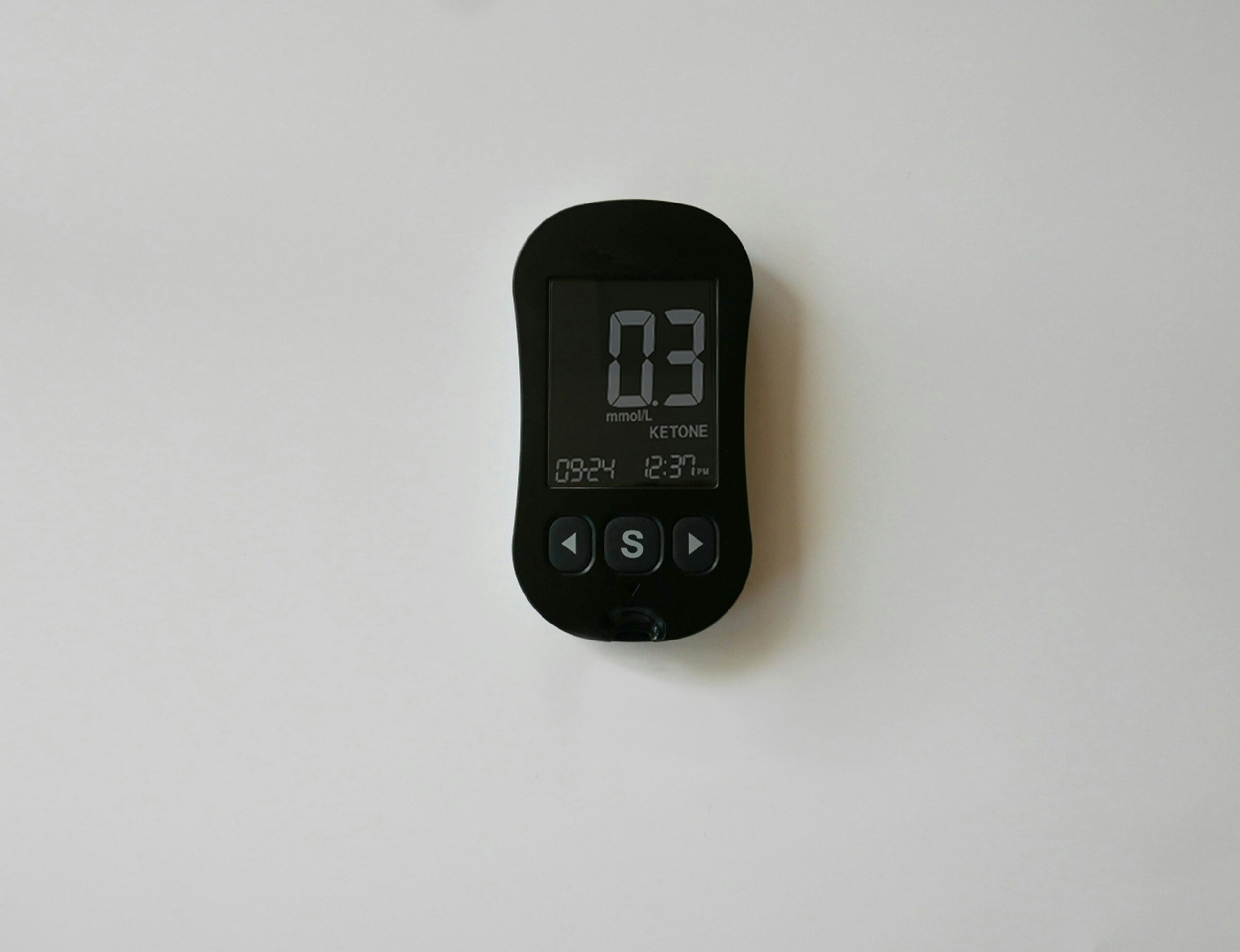
Consider the scenario: A user wears a continuous glucose monitor (CGM) and a high-end fitness watch. The data shows consistent sleep hygiene, low resting heart rate variability (HRV), and adherence to a prescribed exercise regimen. This user is statistically less likely to file a health insurance claim or default on a loan due to stress-related illness. In 2026, this data is being used by premium life insurance providers to offer dynamic premium discounts. A policyholder who walks 10,000 steps daily for a quarter might see a 5% reduction in their premium. Conversely, a user whose biometrics indicate chronic sleep deprivation or elevated stress markers might be flagged for a “financial wellness check-in” before their credit line is adjusted.
This shift is profound. It moves the locus of financial control from a credit bureau’s database to the individual’s daily habits. However, it also raises significant questions about privacy and data sovereignty. The key for consumers is to understand that their health data is now a financial asset. Choosing the right digital health insurance brokers who offer transparent data-sharing agreements is becoming as critical as choosing the right mutual fund.
The “Pay-as-You-Live” Mortgage
One of the most innovative applications in 2026 is the “Pay-as-You-Live” (PAYL) mortgage. A handful of forward-thinking credit unions and fintech lenders now offer home loans where the interest rate is partially tied to the borrower’s verified health metrics. The logic is simple: a healthier borrower is a more reliable borrower. By syncing a wearable device to the loan servicing platform, a borrower can earn “points” for meeting specific health goals—like maintaining a healthy BMI or completing a certain number of cardio sessions per week. These points translate directly into a lower Annual Percentage Rate (APR) for the following month.
While still niche, this model represents a fundamental shift in risk assessment. It incentivizes long-term health, which in turn stabilizes the borrower’s financial situation. For the high-net-worth individual, this is an opportunity to optimize capital allocation. Instead of paying a flat rate, they can actively manage their borrowing cost through lifestyle choices. The best personal loan companies for health-conscious borrowers are now marketing themselves not just on low rates, but on the promise of a holistic partnership.
Behavioral Nudges and the Algorithmic Financial Advisor
The “Just-in-Time” Intervention
The greatest enemy of personal finance is not poor math skills; it is emotional dysregulation. We spend more when we are stressed, we save less when we are tired, and we make impulsive investment decisions when we are anxious. Digital health tools, specifically those integrating heart rate and galvanic skin response (GSR) sensors, are now providing “just-in-time” interventions.
Imagine you are about to make a large, discretionary purchase on your premium rewards card. Your smartwatch detects a spike in your heart rate and a rise in your skin conductance—physiological markers of stress or excitement. Before the transaction is finalized, your financial app sends a gentle push notification: “Your stress levels are elevated. Would you like to pause this transaction for 15 minutes and reflect?” This is not a restriction; it is a behavioral finance coaching service in your pocket. These tools are proving remarkably effective at curbing impulse spending, particularly for users with high-income but high-stress lifestyles.
Dynamic Budgeting Based on Circadian Rhythms
The most sophisticated platforms in 2026 do not create a static monthly budget. They create a dynamic, circadian-based allocation model. Using data from a user’s sleep cycle, the algorithm predicts periods of peak cognitive performance and periods of fatigue. It then schedules financial tasks accordingly. High-stakes decisions, like rebalancing an investment portfolio or negotiating a contract, are suggested during the user’s peak mental hours. Routine, low-stakes tasks, like paying recurring bills, are automated during low-energy windows. This optimizes decision fatigue, ensuring that the user’s finite cognitive resources are allocated to the most critical financial choices.
Key Takeaways: The New Rules of Financial Health
- Data is the new collateral. Your biometric data has tangible financial value. Treat it as an asset. Review the privacy policies of your financial apps with the same scrutiny you would a loan agreement.
- Premium rewards cards are evolving. Look for cards that offer “health multipliers”—bonus points for verified gym visits or meditation sessions. These are more valuable than generic cash-back offers.
- Insurance is becoming proactive. The best concierge financial planning services now include a health coach as part of the package. A healthy client is a profitable client.
- Beware of the “Health Debt Trap.” Some lenders may penalize you for poor health metrics. Ensure you have clear opt-out clauses and understand how your data is being used to adjust your rates.
The Concierge Financial Physician: A New Service Category
Just as the wealthy have long had personal physicians and personal trainers, a new service category has emerged in 2026: the concierge financial physician. This is not a financial advisor who looks at your 401(k). This is a certified professional who combines expertise in behavioral finance, nutritional science, and biometric data analysis. They work with high-net-worth clients to create a “prescription” for financial health that includes sleep optimization, stress management protocols, and investment strategies.
For example, a concierge financial physician might analyze a client’s HRV data over six months and correlate it with their trading history. They might find that the client makes poor investment decisions on days following poor sleep. The prescription is not “stop trading,” but “optimize your sleep schedule and use algorithmic trading tools on your low-energy days.” This level of personalized, data-driven advice is the new frontier of wealth management. It moves beyond spreadsheets and into the realm of human performance optimization.
Challenges and the Path Forward
The integration of digital health and personal finance is not without its pitfalls. The primary concern is data privacy and algorithmic bias. If a financial algorithm penalizes a user for a medical condition they cannot control—such as chronic insomnia or a genetic predisposition to high blood pressure—it creates a new form of financial discrimination. Regulators are beginning to take notice. In 2026, the European Union’s AI Act and similar frameworks in North America are starting to require “fairness audits” for any financial product that uses biometric data as an input.
Furthermore, the “quantified self” movement can lead to financial anxiety. Constantly monitoring one’s health score and its impact on one’s credit line can be counterproductive. The most successful users of these tools are those who treat the data as a guide, not a dictator. They use the insights to make better decisions, but they do not obsess over daily fluctuations.
The Outlook: A Symbiotic Future
The relationship between our bodies and our bank accounts is becoming symbiotic. Your physical health directly influences your financial health, and your financial health—specifically, the freedom from debt and the security of savings—directly improves your physical health by reducing chronic stress. Digital health tools are the bridge that connects these two worlds.
For the sophisticated consumer, the playbook is clear. Invest in high-quality wearable technology that provides granular, validated data. Choose digital health insurance providers that offer transparent, value-based premiums. Engage with a behavioral finance coaching service that uses your biometrics to optimize your spending and saving habits. And most importantly, maintain agency over your data. The tools are powerful, but the human decision remains paramount.
The future of personal finance is not about spreadsheets; it is about heartbeats. And for those who are willing to listen to both, the rewards are substantial.
Photo Credits
Photo by isens usa on Unsplash

Leave a Reply