Author: Pierce Ford
-
The Price of Privacy: Navigating Health App Data Security in 2026
•
The year is 2026, and the average smartphone user now interacts with more health and wellness applications than ever before. From sophisticated glucose monitors that sync with your wearable to AI-driven mental health chatbots, these tools promise unprecedented insight into our biological data. For the financially astute individual, this data…
-

Beyond the Stethoscope: The Hidden Financial Benefits of Integrating Tech into Chronic Care
•
For decades, the economics of chronic disease management has been a story of reactive spending. Patients cycle through emergency rooms, specialists, and pharmacies, with costs spiraling upward as conditions like diabetes, hypertension, and COPD progress. The narrative has been one of unavoidable expense—a tax on longevity. But in 2026, a…
-

The Virtual Triage: How Telemedicine Reshapes Corporate Health Strategy for 2026
•
The modern corporate ledger is a document of competing priorities, and for the last five years, few line items have caused as much friction as the cost of employee healthcare. By 2026, the conversation has shifted from a binary choice between cost and care to a more sophisticated synthesis. The…
-

The New Frontier of Risk: Capital Allocation in an Era of Medical Breakthroughs
•
The corridors of modern medicine are lined with promise. From AI-driven diagnostics that can detect pathologies years before a human eye could spot them, to gene-editing therapies that rewrite the very blueprint of cellular disease, the pace of innovation in 2026 is staggering. Yet for the institutional investor, the hospital…
-

The Quantified Executive: How Wearable Technology is Reshaping Corporate Wellness ROI in 2026
•
The Bottom Line of Biometrics In the boardrooms of 2026, the conversation around employee health has shifted from a soft-cost benefit to a hard-asset strategy. For years, corporate wellness programs were viewed with a mix of optimism and skepticism—laudable initiatives that often struggled to prove their financial viability beyond anecdotal…
-

Decoding the Algorithm: How AI is Revolutionizing Health Insurance and Benefits Selection in 2026
•
The annual benefits enrollment period has long been a ritual of anxiety for the American workforce. Faced with a dense thicket of jargon—deductibles, co-insurance, out-of-pocket maximums, Health Savings Account (HSA) contribution limits, and narrow networks—even the most financially literate employees often resort to guesswork. The result is a systemic misallocation…
-

The ROI of Preventive Health Tech: A Financial Perspective
•
The Quiet Revolution in Healthcare Economics For decades, the calculus of corporate healthcare expenditure followed a grimly predictable pattern: pay for the ambulance at the bottom of the cliff. Employers and insurers allocated capital toward treating chronic conditions—diabetes, hypertension, heart disease—only after they had metastasized into expensive, acute episodes. But…
-

The Vital Signs of Your Wallet: How Digital Health Tools Are Reshaping Personal Finance Management
•
The New Vital Sign: Financial Wellness In the sterile, data-rich environment of a modern intensive care unit, monitors track heart rate, blood pressure, and oxygen saturation in real time. The goal is early intervention—catching a problem before it becomes a crisis. For most of 2025, this clinical paradigm has been…
-

The New Frontier of Luxury Sustainable Travel in 2026: Where Opulence Meets Obligation
•
The era of the guilt-ridden luxury vacation is officially over. In 2026, the discerning traveler no longer views sustainability as a compromise or a charitable add-on; it is the defining metric of true opulence. The global luxury travel market, now valued at over $2.1 trillion, has undergone a fundamental recalibration.…
-
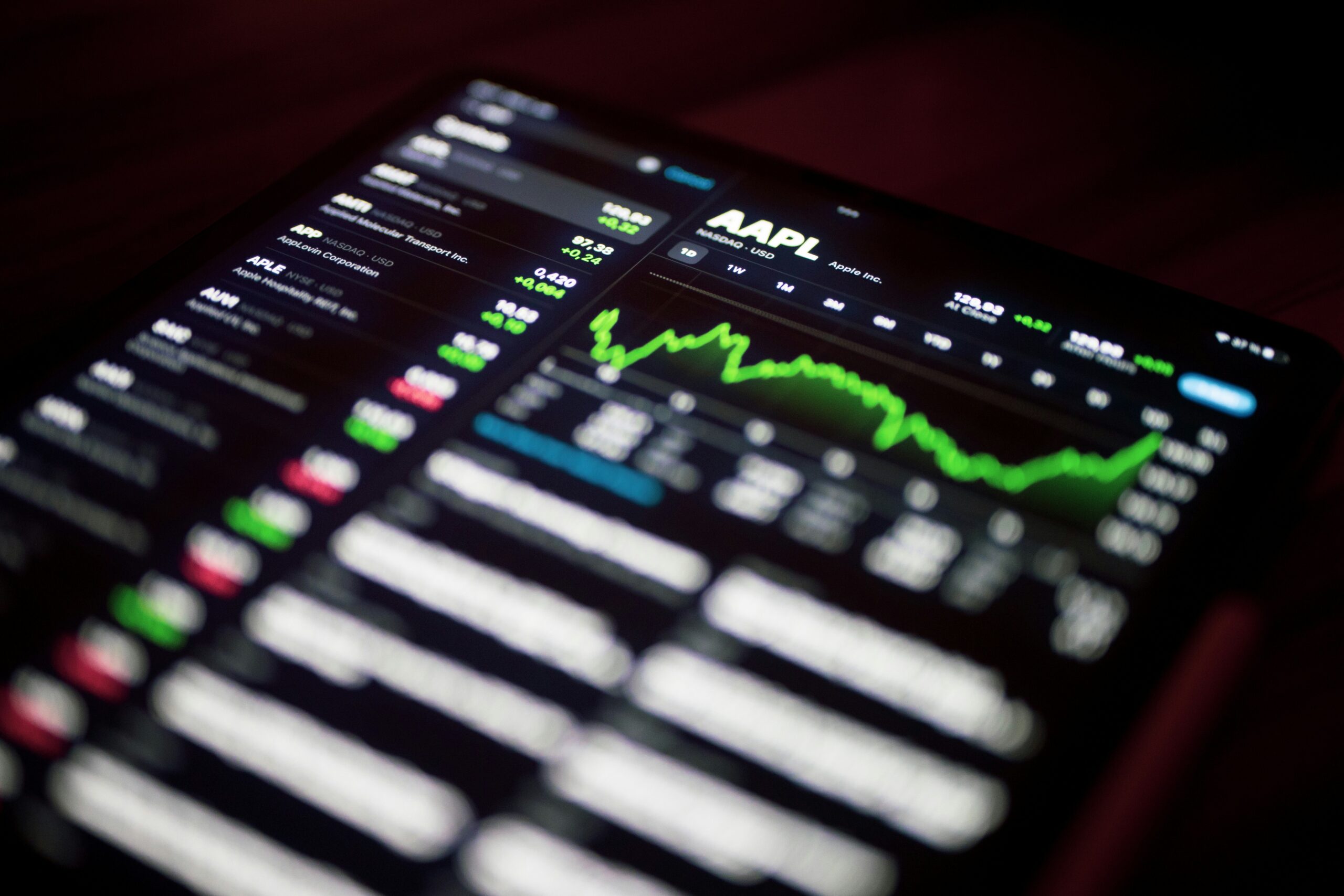
The New Frontier of Capital Allocation in 2026: Navigating Volatility with Precision
•
The landscape of high-net-worth capital management has undergone a profound recalibration. As we navigate the midpoint of 2026, the era of passive accumulation has been supplanted by a demand for dynamic, intelligence-driven resource deployment. The global economic signals—from recalibrated interest rate corridors to shifting geopolitical trade currents—demand a departure from…