The era of the guilt-ridden luxury vacation is officially over. In 2026, the discerning traveler no longer views sustainability as a compromise or a charitable add-on; it is the defining metric of true opulence. The global luxury travel market, now valued at over $2.1 trillion, has undergone a fundamental recalibration. The highest echelons of travel are no longer defined solely by thread counts and Michelin stars, but by carbon-negative footprints, regenerative architecture, and hyper-localized cultural immersion that actively repairs the destinations it touches. For the high-net-worth individual (HNWI) operating in this space, the calculus has shifted from “How much can I spend?” to “How intelligently can I allocate my capital to ensure this experience exists for my grandchildren?” This is not a trend; it is a structural shift in the industry’s DNA, driven by data, regulation, and a sophisticated consumer base that demands transparency alongside transcendence.

The New Metrics of Luxury: Beyond Carbon Neutrality
The lexicon of sustainable travel has evolved rapidly. In 2024, ‘carbon offsetting’ was the buzzword. By 2026, it is considered a baseline, often a lazy one. The new standard is regenerative travel—experiences designed to leave a place better than you found it. This isn’t just about planting a tree; it is about measurable ecological uplift.
Consider the private jet charter sector, historically the industry’s biggest carbon villain. Today, top-tier operators like VistaJet and NetJets offer fully synthetic sustainable aviation fuel (SAF) blends on demand, coupled with verified carbon removal credits (not just avoidance credits). A flight from New York to Geneva in 2026 might cost 20% more in fuel surcharges, but for the client utilizing a premium rewards card like the American Express Centurion or the J.P. Morgan Reserve Card, that difference is often absorbed by concierge-level carbon management services. The luxury is not the flight itself; it is the seamless, invisible integration of responsibility into the booking.
What Defines a ‘Regenerative’ Hotel in 2026?
The boutique luxury hotel sector has been the fastest adopter of this model. Properties are no longer just building green roofs; they are becoming active participants in local biospheres. For example, the Six Senses properties now publish a “Net Positive” impact report alongside their guest welcome packet. But the true differentiator lies in the local bespoke tour operators they curate. A stay at the newly opened Aman in the Maldives now includes a mandatory half-day session with marine biologists who use the guest’s leisure time to transplant coral polyps. This is not a volunteer vacation; it is a high-touch, high-cost experience where the guest is a participant in scientific research. The cost of such an experience is justified by the concierge travel services that handle the logistics of scientific permits, equipment, and private transport.
How Are High-Net-Worth Individuals Insuring These Experiences?
This is a critical commercial bridge that many articles miss. The complexity of a regenerative luxury trip—which might involve remote islands, private aircraft, and fragile ecosystems—demands specialized risk management. Generic travel insurance is a liability. In 2026, the market for luxury travel insurance providers has exploded, with firms like Allianz Partners’ high-net-worth division and Chubb offering policies that cover not just medical evacuation, but “trip interruption for environmental disruption” and “carbon guarantee bonds.”
If a hotel fails to deliver its promised net-zero energy output, or if a private reserve closes due to a biodiversity crisis, the policy pays out. This is a sophisticated product. For the financial advisor managing a client’s capital allocation, recommending a trip without a proper luxury travel insurance provider is now considered negligent. The insurance is the safety net that allows the traveler to take the risky, adventurous, high-impact trip that defines modern luxury.
Destination Deep Dive: The Patagonia Paradox
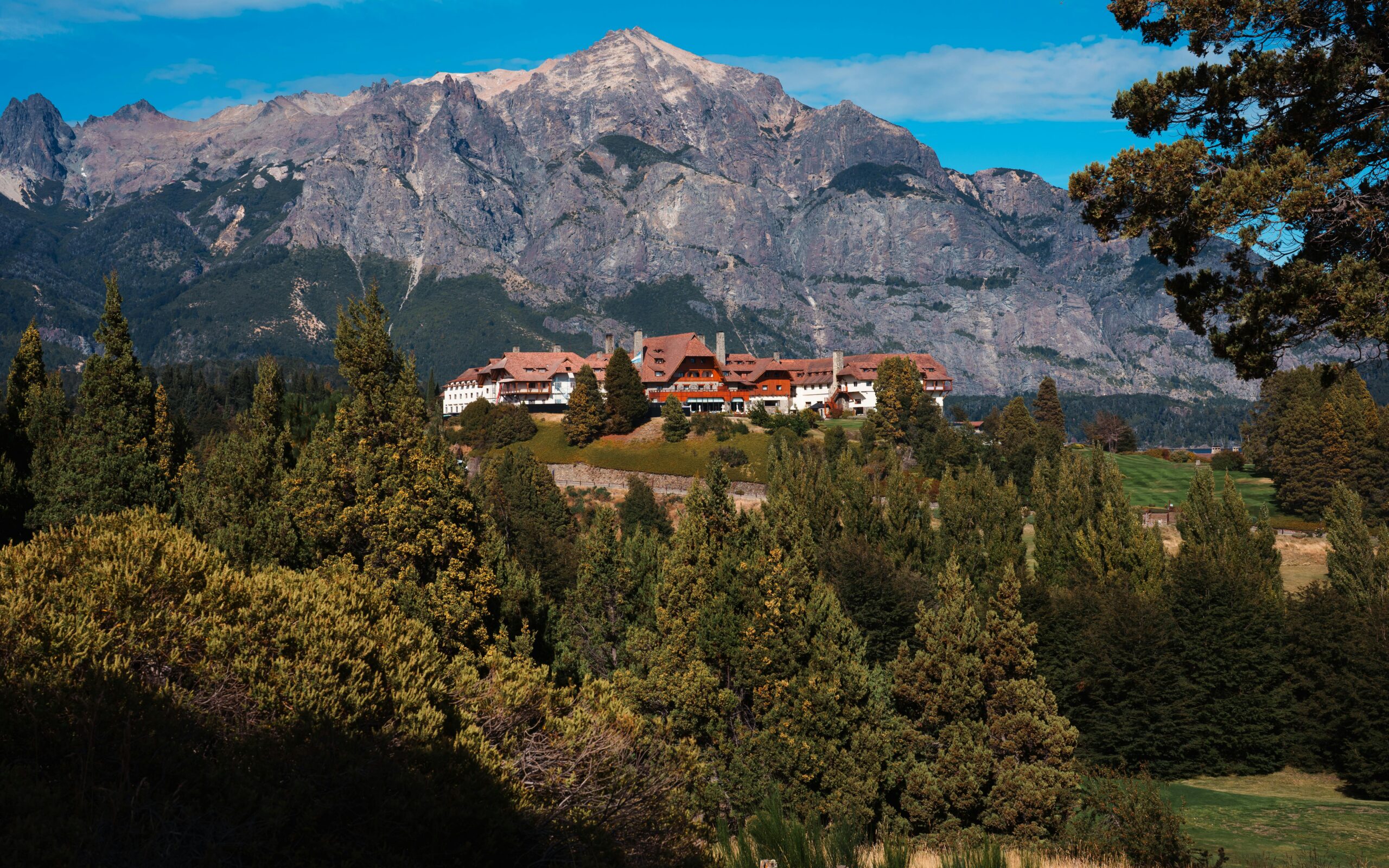
Let us examine a specific geography that exemplifies this tension: Patagonia. In 2026, Patagonia is the epicenter of the luxury sustainable travel movement, but it is also a battleground. The region faces extreme pressure from overtourism. The solution has been a radical shift toward private chauffeur services and ultra-exclusive access.
The standard tour bus is gone. Instead, companies like Explora and Tierra Patagonia offer fleets of electric 4x4s and hydrogen-cell vehicles for private transfers. But the real value lies in the local bespoke tour operators who have been granted exclusive rights by conservation trusts. These operators, often run by third-generation gauchos or conservation biologists, offer itineraries that are physically demanding and intellectually rigorous. A typical day might involve a 15-mile hike to a glacier that is actively calving, followed by a tasting menu prepared by a Michelin-starred chef using only ingredients foraged within a 10-mile radius. The cost for a week-long itinerary? Approximately $45,000 per person, excluding flights. This price point is not barrier; it is a filter. It ensures that the traveler is committed to the experience, not just the photo.
The Role of the Concierge in the Age of Scarcity
The concierge travel services industry has had to completely reinvent itself. The old model of booking dinner reservations and theater tickets is dead. In 2026, the top-tier concierge is a logistics specialist, a geopolitical analyst, and a sustainability auditor. When a client asks for a trip to Antarctica, the concierge doesn’t just book a ship. They vet the vessel’s wastewater treatment system, its fuel efficiency, its crew-to-guest ratio, and its scientific research permits. They then layer on the premium rewards cards that offer the best travel credits for eco-certified stays. The American Express Platinum card, for example, now offers a 5x multiplier on bookings made through its “Green Collection,” but only if the booking includes a verified carbon removal purchase. The concierge’s job is to navigate this complexity so the client experiences pure serenity.
Is the ‘Sustainable’ Label Actually Meaningful? A Data Check
This is the question every sophisticated traveler must ask. The market is flooded with greenwashing. In 2026, the European Union’s Digital Product Passport regulations have forced many hotels to be more transparent, but the system is imperfect. The key indicator for the savvy traveler is not the hotel’s website, but its local business intent.
- Check the supply chain: Does the hotel source its linens from a local weaver? Does it pay a living wage? A true luxury sustainable hotel in 2026 will have a local procurement rate of at least 70%.
- Look for “Net Positive” certification: The B Corp certification is good, but the new “Net Positive” standard from the Global Sustainable Tourism Council (GSTC) is stricter. It requires proof that the property contributes more to the local ecosystem than it extracts.
- Beware of the “All-Inclusive” trap: Many all-inclusive resorts in the Caribbean market themselves as sustainable. However, they often import 90% of their food and staff, creating a “bubble” that does little for the local economy. The true luxury is the boutique luxury hotel that forces you to engage with the local community, even if it is less convenient.
Key Takeaways for the Discerning Traveler
The Golden Rule of 2026: If a trip does not require you to change your behavior, it is not sustainable. Luxury is no longer about passive consumption; it is about active participation. You must be willing to pay for the infrastructure of preservation.
- Insurance is non-negotiable: Always secure a policy from a luxury travel insurance provider that covers environmental disruption and trip cancellation for climate-related events.
- Leverage your financial tools: Use premium rewards cards that offer enhanced points for certified sustainable stays. The points earned can often be redeemed for SAF credits or carbon removal.
- Demand transparency: Ask your concierge travel services for the “Impact Ratio” of your itinerary—the percentage of your spend that stays in the local economy.
- Go private: The most sustainable way to travel is to move in small groups. Private chauffeur services and private charters, when combined with SAF, actually have a lower per-person footprint than a full commercial flight or a large tour bus.
The Outlook: The Luxury of Responsibility
Looking ahead to 2027 and beyond, the lines between luxury and sustainability will blur entirely. We are moving toward a model of “travel as a utility.” The wealthy will not just travel to relax; they will travel to fund conservation, support indigenous economies, and gather data for climate science. This is the ultimate expression of status: the ability to travel in a way that is both deeply personal and globally responsible.
The capital allocation for a luxury trip in 2026 is not a line item on a budget; it is an investment in a future asset—the preservation of the planet’s most beautiful and fragile places. The traveler who understands this will find that the most exclusive experience of all is not a suite or a spa, but a clear conscience and a measurable positive impact. The industry is no longer selling vacations. It is selling stewardship. And in 2026, that is the only luxury worth buying.
Photo Credits
Photo by Guillermo Berlin on Pexels

Leave a Reply